

Lemon balm: Boost your libido naturally
Lemon Balm
Boost your Libido Naturally.
Most days on Greg and Kerri’s modest two-acre homestead follow the same enjoyable rhythm. After a quiet yet productive stretch tending the garden and finishing chores, they take their customary walk along the shaded path where the scent of wildflowers drift on the breeze. When they return, they settle into their matching rocking chairs on the porch, moving easily between light conversation and comfortable silence while the sun slowly melts behind the hills.
After dark, they go inside, pour warm cups of herbal tea, and curl up with their favorite books, trading flirtatious, knowing looks between paragraphs. Sometimes, before their chapters are finished, the books are set aside as one nods to the other, an unspoken invitation to retire to the bedroom, where the evening’s quiet closeness deepens into something more playful and intimate.

Desire Lost: When Marital Passion Wilts
For most couples, Greg and Kerri’s slower-paced, intimate routine is far from reality. Instead of leisurely workdays, long walks, relaxing sunsets, good books, and satisfying sex, their days are dominated by back-to-back appointments, long work hours, children’s activities, and a constant flood of emails, texts, and social media notifications.
These busy schedules and endless distractions gradually rob couples of intimacy. Work obligations, family responsibilities, and digital interruptions leave little energy or focus for each other, making spontaneous affection, deep conversation, and shared moments increasingly rare.
The added burden of stress and anxiety triggers cortisol, the body’s primary stress hormone, which saps sexual desire, impairs focus, and dulls emotional responsiveness. Chronic stress can make intimacy feel like a chore rather than a source of connection. Fatigue and poor sleep intensify the problem, lowering energy, disrupting hormone levels, and reducing mood and vitality, creating a cycle where exhaustion further diminishes desire.
Lifestyle factors compound these challenges. Poor exercise and a nutrient-deficient diet reduce stamina, circulation, and energy, while contributing to weight gain, hormonal imbalances, and decreased libido. For many women, sexual desire is especially sensitive to these physical and psychological pressures. Fatigue, caregiving, stress, anxiety, depression, and hormonal changes from menopause, pregnancy, or breastfeeding can all dampen libido.
It’s no wonder that roughly one-fourth of married couples report little to no sexual activity in a year, and about one-third of men and nearly half of women experience a serious loss of sexual desire.
The Research on Lemon balm
The secret to Greg and Melissa’s thriving love life isn’t just their choice to slow down and savor quiet evenings of books and tea—it’s also in what goes into that tea. Metaphorically, the deeper ingredients of a person’s life can either sweeten or embitter intimacy, which we’ll explore in the next section. But quite literally, what you put in your tea can also make a real difference.
Long before modern pharmaceuticals, people turned to herbs for common health concerns, including low libido. Historical accounts cite aromatic aphrodisiacs—herbs that stimulate desire through scent or taste—such as saffron and ginseng, and arousal enhancers—herbs that act on the body’s sexual response—like horny goat weed and maca root, all used to support sexual vitality.
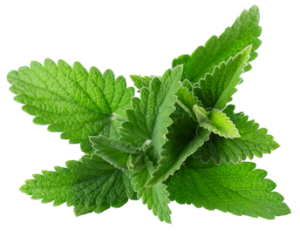
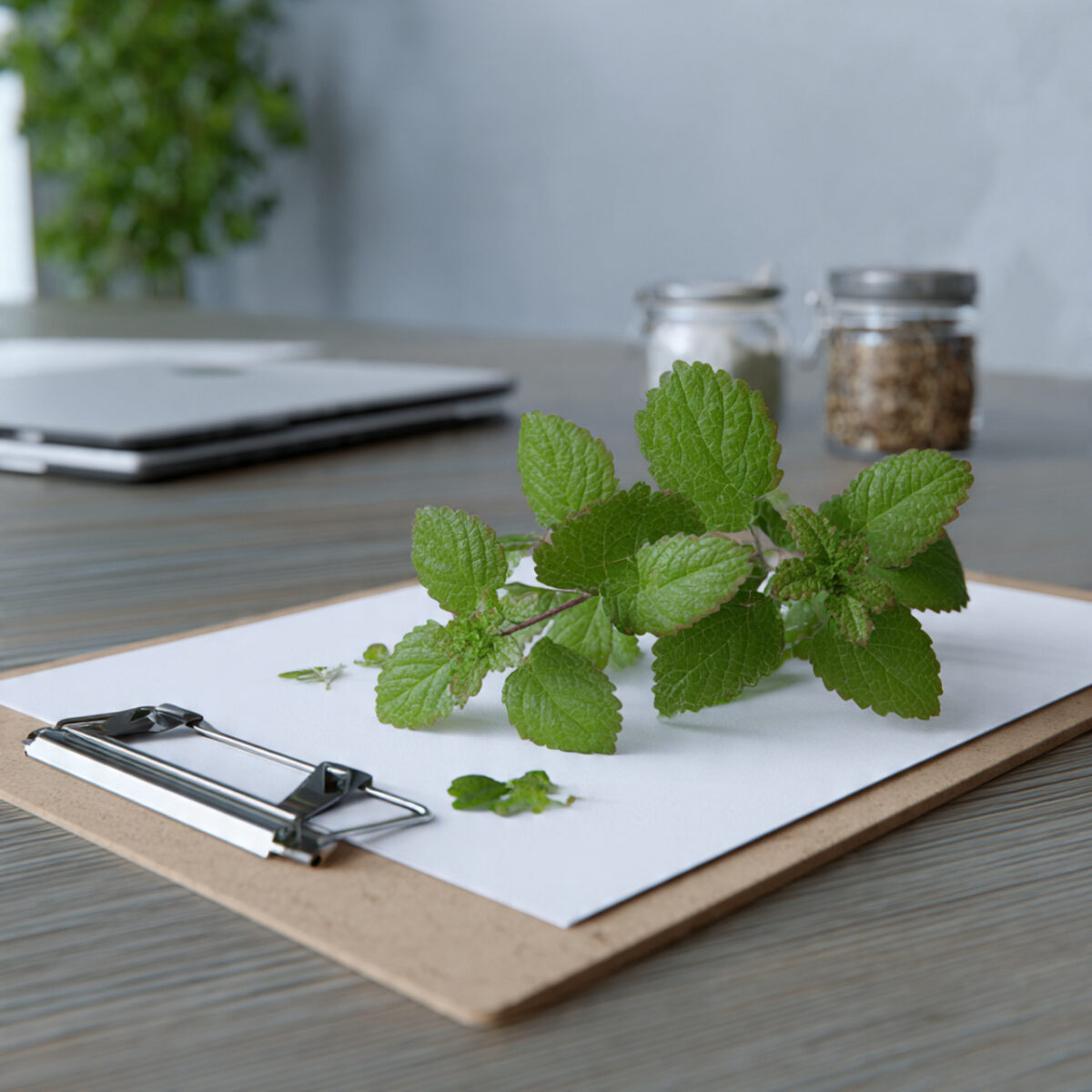
One herb that stands out is lemon balm (Melissa officinalis), a gentle perennial with bright green leaves and a fresh, lemony aroma. Its leaves are rich in essential oils, flavonoids, and phenolic acids, which underlie its wide range of therapeutic effects. Native to the Mediterranean and now cultivated worldwide, lemon balm is traditionally consumed as a tea or in extract form for its calming, digestive, antiviral, and libido-enhancing properties.
The notion that lemon balm might enhance sexual desire isn’t purely folklore. A randomized, double-blind, placebo-controlled study of women with low sexual desire found that daily supplementation with Melissa officinalis extract significantly improved several aspects of sexual function—including “desire, arousal, lubrication, organism and overall satisfaction”—compared to a placebo group. These effects are believed to result, at least in part, from lemon balm’s ability to modulate GABA (Gamma-Aminobutyric Acid) activity in the brain—neurotransmitters that affect the body’s ability to relax and respond to more pleasurable stimuli .
Although the data on lemon balm’s direct effect on sexual desire remains limited, its indirect benefits are easier to understand. Clinical trials consistently show that lemon balm can reduce stress, promote focus, and improve sleep quality—factors known to affect libido and sexual satisfaction.
Whatever the mechanism, adding a cup of lemon balm tea to the right blend of other lifestyle ingredients could be just the recipe you need to get in the mood.
[Article continues below]
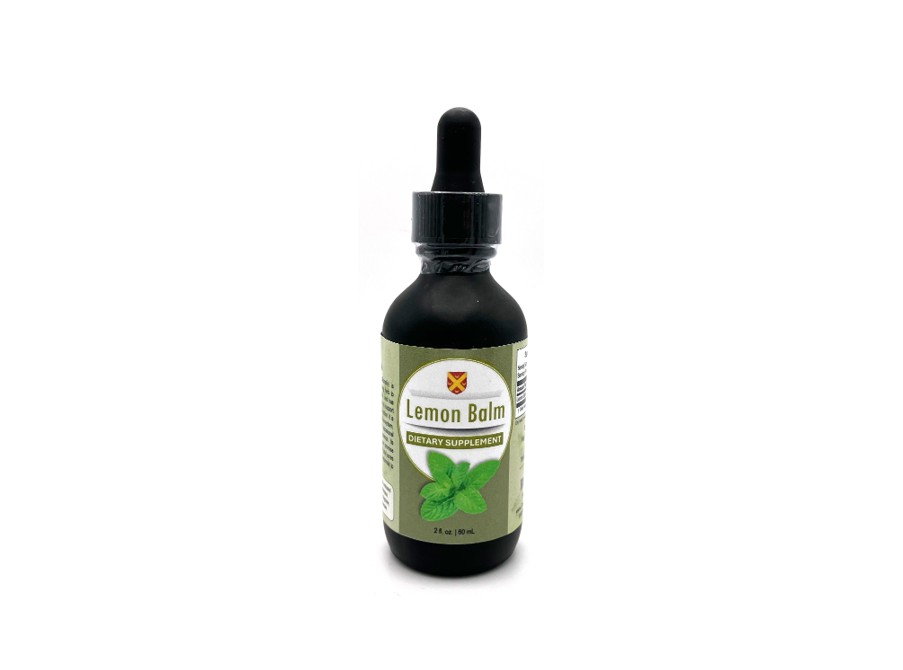
Lemon balm Extract, 2 oz.
Try the soothing benefits of lemon balm to calm the mind, relax the body, and even support a healthy sex drive.

Desire Found: Cultivating Marital Passion that Blooms
Lemon balm can be a helpful supplement for supporting libido, but by nature, a supplement is never a standalone solution. Its ability to relax the body and soothe the mind is only part of the picture. True marital passion is cultivated when a person actively pursues emotional, physical, and relational well-being. Couples who desire to enhance their marriage must commit together to caring for their bodies, minds, and hearts in ways that create space for love to flourish.
Physical health lays the foundation for vitality in marriage. Adequate sleep, balanced nutrition, regular exercise, and managing health conditions all influence hormonal balance and energy levels. When our bodies are nourished and rested, the physical and emotional energy to love and connect with a spouse is strengthened.
Mental and emotional health plays an equally important role. Stress, anxiety, and persistent worries can blunt desire, making it difficult to be fully present with a spouse. While lemon balm tea or tincture may aid relaxation and emotional ease, couples must also address the underlying sources of tension and pursue practices that cultivate peace and mindfulness.
Finally, relational health is the soil in which marital desire is rooted. Emotional intimacy forms the bedrock for physical connection. Open conversation, shared experiences, and a sense of relational safety deepen connection and trust. Couples who pursue forgiveness, practice gratitude, and intentionally celebrate one another cultivate a marriage that is vibrant, resilient, and full of life. When body, mind, and heart are tended together, marital passion is not left to chance—it is nurtured, sustained, and strengthened.